
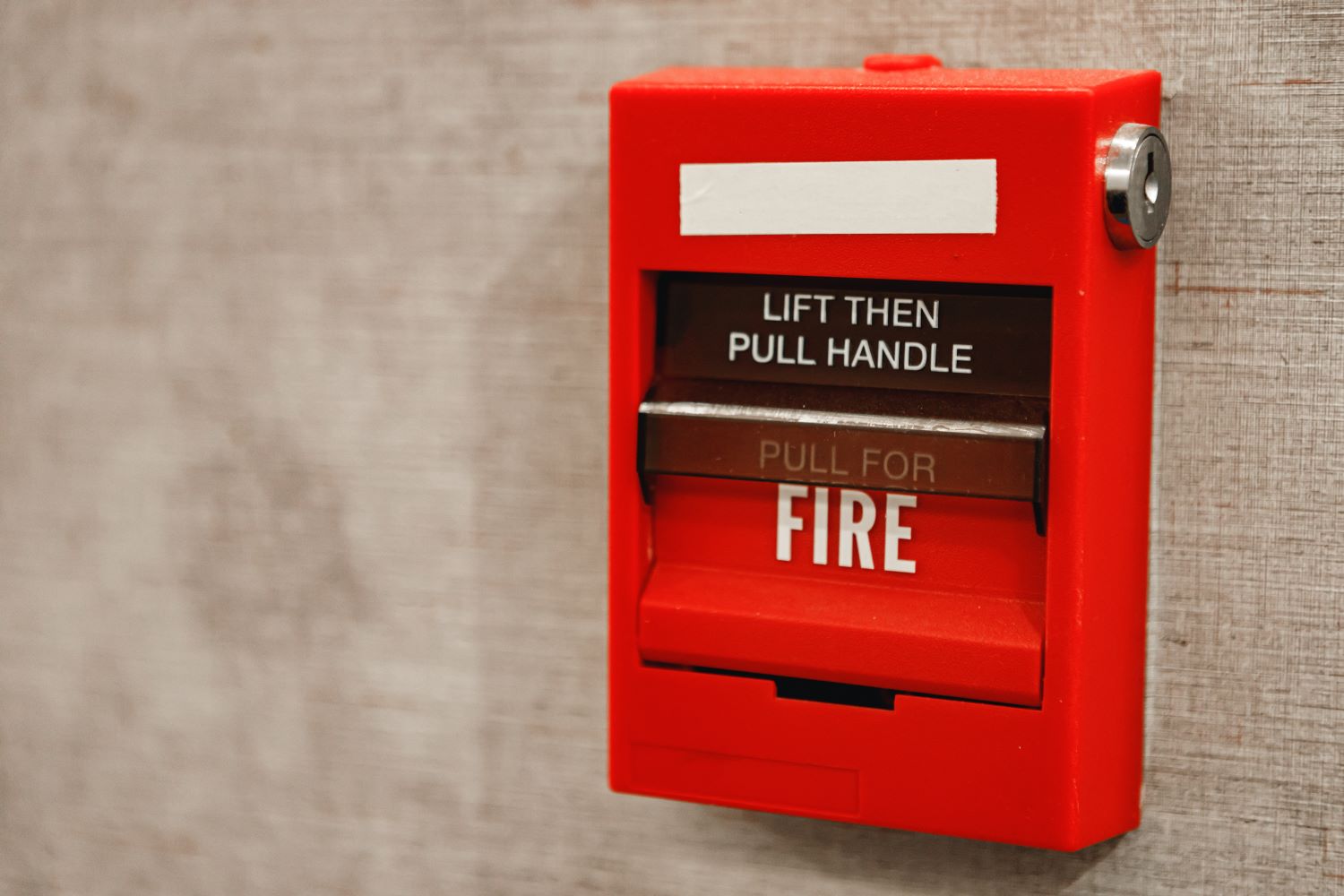
A fire alarm system is only as reliable as its maintenance. Even the most advanced equipment requires regular care to perform properly. That’s why engineers and safety managers emphasize routine servicing for every Fire Alarm EDWARD system. Whether installed in a small office or a large industrial facility, proper maintenance ensures your fire alarm responds instantly when danger arises.
Why Servicing Is Important
A Fire Alarm EDWARD system is built for reliability, but like all electronic equipment, it can suffer from wear and tear. Dust, humidity, power fluctuations, or aging components can all affect performance. Regular servicing:
- Keeps the system in compliance with fire safety codes.
- Ensures early detection and accurate alarm signaling.
- Reduces the risk of false alarms.
- Extends the life of the equipment.
How Often Should You Service a Fire Alarm EDWARD System?
The frequency of service depends on building type, occupancy, and local regulations. However, industry best practices suggest:
- Weekly Visual Checks
Confirm the control panel shows normal operation and no fault signals. - Monthly Tests
Activate at least one manual call point or detector to verify alarm response. - Quarterly Inspections
Test several detectors, sounders, and circuits. Check backup batteries and connections. - Annual Full Service
A certified technician should test every detector, alarm, and connection in the system. Logs should be updated, and any faulty components replaced.
Who Should Perform the Service?
While basic checks can be done by trained staff, full servicing should always be handled by certified professionals familiar with Fire Alarm EDWARD systems. Professional servicing ensures:
- Accurate diagnostics and repairs.
- Compliance with local and international safety codes.
- Proper documentation for audits and insurance requirements.
Common Issues Found During Service
Routine maintenance often uncovers problems that might otherwise go unnoticed:
- Dust-clogged detectors reducing sensitivity.
- Weak or expired backup batteries.
- Wiring issues causing communication faults.
- Outdated components that need upgrading.
Addressing these issues early prevents system failure during real emergencies.
Tips to Keep Your Fire Alarm EDWARD System Reliable
- Maintain Clear Records: Document every inspection and service for compliance.
- Train Staff: Ensure employees know how to identify warning signals and perform simple checks.
- Respond to Faults Quickly: Never ignore error messages on the control panel.
- Upgrade When Needed: Technology advances quickly; upgrading parts of your Fire Alarm EDWARD system can improve performance and reduce false alarms.
Conclusion
Regular servicing is not just a recommendation—it’s a necessity. A Fire Alarm EDWARD system is engineered for reliability, but its effectiveness depends on consistent care. Weekly checks, monthly tests, quarterly inspections, and annual full services create a reliable routine that protects both people and property. By investing in professional servicing, you ensure that your fire alarm system is always ready to perform when lives depend on it.